
Stress hits hard in daily life – be it tight deadlines at work, family duties, or traffic jams in cities like Mumbai or Delhi. The advantages of stress management help turn tension into calm, leading to sharper focus and happier days. When people handle stress better, work and home life improve for everyone around.
As experts note, “Managing stress unlocks energy for what matters most.” These advantages start showing from day one, with better sleep and fewer worries.
What stresses you out lately? Let us look into how the ins and outs of stress management and how can we help design a better lifestyle. Shall we?
Objectives of Stress Management
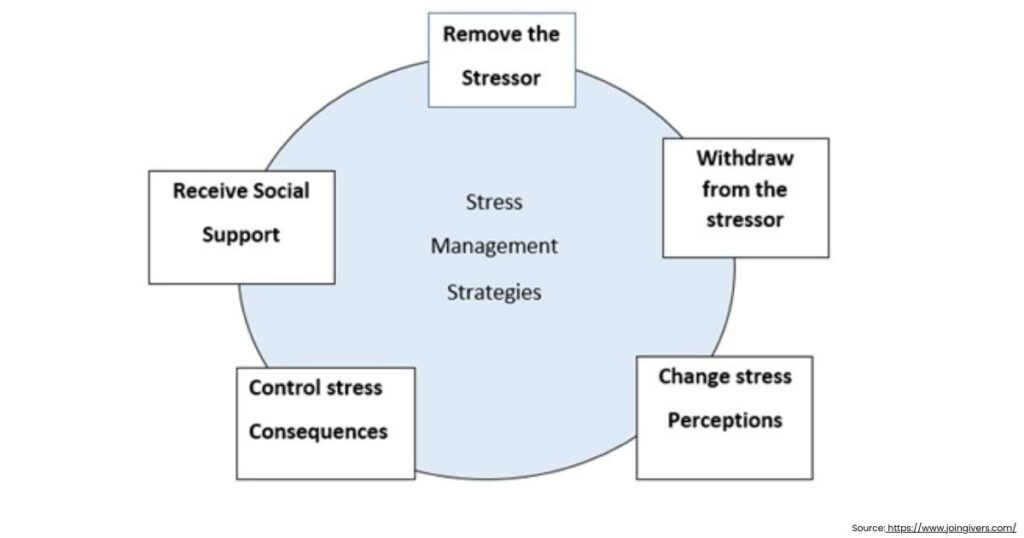
The objectives of stress management set simple targets to spot and handle pressure before it builds up. These goals guide daily habits that bring lasting calm.
Main objectives of stress management:
- Identify personal stress triggers early, such as tight deadlines or heated arguments, to address them before they build up into bigger problems.
- Master quick relief methods like deep breathing exercises or short outdoor walks that anyone can do anywhere without special tools.
- Develop daily routines, including fixed sleep times and moments for reflection, to create a natural shield against ongoing pressures.
- Encourage open sharing of experiences with others to build collective wisdom and mutual support over time.
These objectives of stress management make life smoother. They shift focus from reacting to planning ahead, bringing real advantages of stress management like steady moods.
Benefits of Stress Management
Everyone in this world is stressed out over one reason or the other. The rate by which hypertension in young is increasing is a matter of concern. The advantages of stress management touch health, mind, and relations in clear ways. People feel lighter, think faster, and connect deeper without constant strain.
You can benefit from stress management in various ways like:
- Improved health: Fewer colds, stable blood pressure, more vitality
- Better focus: Quick decisions, fresh ideas, no mental fog
- Warmer relations: More patience, less arguments with family or colleagues
- Balanced energy: Full days without crashes
One of the main benefits of stress management is its quick impact. Start a breathing habit, and within a week, you notice the difference. Have you felt any of these yet?
Stress Management in Organisational Behaviour
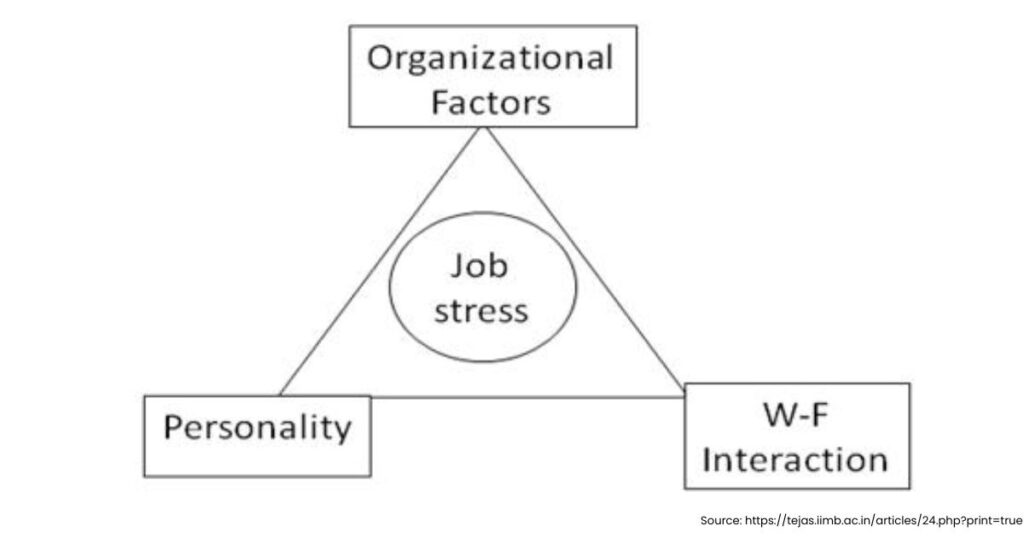
Stress management in organisational behaviour shapes how teams handle pressure at work. It lowers sick days, lifts output, and keeps staff motivated. Offices that adopt it see happier, longer-staying employees.
In stress management in organisational behaviour:
- Managers lead by example during busy times
- Teams take brief pause sessions before key tasks
- Workspaces offer flex hours or quiet spots
Benefits of stress management in organisational behaviour show in numbers, productivity up by 25%, as per Indian corporate surveys. One manager said, “Our stress talks brought back team spirit and cut mistakes.”
Read This! A Case Study on Stress Management Success
Take this real case study on stress management from a 2023 study on South Indian coastal call centre employees in Chennai (published in JCLMM), where around 60 second-shift workers at Hinduja Global Solutions faced high job stress from irregular hours, time pressure, high call volumes, and low security, with 84% showing severe stress.
To tackle it, researchers implemented a guided imagery technique (a relaxation method using visualisation and breathing) right after pretest assessment, administered over 10 days without extra time demands.
The participants coped better, aligning with quotes like gaining tools for daily pressures. This case study on stress management illustrates how targeted relaxation steps rebuild resilience and performance in high-stress BPO settings.
Addressing Disadvantages of Stress Management!
Now you must be thinking – wait a minute, stress management has disadvantages?!
Well, while their are several benefits of stress management, it pays to acknowledge disadvantages of stress management too, such as the upfront time required to learn new habits that might feel disruptive when schedules already run tight from dawn till dusk. Some individuals find certain techniques mismatched to their personality, like structured meditation clashing with more active minds that prefer movement over stillness, leading to frustration instead of relief in the early stages.
Other disadvantages of stress management can include initial costs for workshops or apps, or even scepticism from peers who view it as unnecessary fluff rather than a practical tool for better living.
Yet, these disadvantages of stress management pale when balanced against the long-term wins, especially if you start with low-effort options like five-minute breathing breaks or evening journal entries that fit seamlessly into any routine.
How to Master the Art of Stress Management?
Putting the benefits of stress management into practice starts with small, doable steps that build momentum naturally over days and weeks, turning abstract ideas into habits that stick through life’s ups and downs. Mix personal efforts with group sharing to amplify results, as talking through challenges often reveals fresh insights you might miss alone.
Try these blended approaches for maximum advantages of stress management:
- Begin mornings with a 10-minute gratitude list paired with gentle stretches to set a positive tone.
- During lunch, step away for a brisk walk while noting one stress trigger and a quick counter-strategy.
- End days by reviewing wins and planning tomorrow’s buffers against known pressures.
The benefits of stress management multiply when shared, invite a colleague or family member to join and watch bonds deepen alongside calmer minds.
On A Final Note…
The benefits of stress management emerge as a clear path to healthier bodies, sharper minds, and richer relationships that enrich life at every turn, far outweighing any minor hurdles along the way.
From clear objectives of stress management guiding daily choices to insights from a case study on stress management proving its impact, and even honest looks at disadvantages of stress management, the overall picture points to empowerment through simple, consistent action. Stress management in organisational behaviour further extends these benefits into professional spaces, creating cycles of positivity that uplift everyone involved.
