

It is a payment model where providers get a fixed amount per patient per month, no matter the services used, shifting focus to preventive care over volume billing. This setup helps insurers control costs while giving doctors predictable income, common in managed care plans worldwide and emerging in India’s private insurance space.
It means one upfront sum covers routine check-ups, tests, or visits for enrolled patients. Let’s learn more about capitation denial in medical billing, fees, and scenarios in this blog.
What is Capitation in Medical Billing?
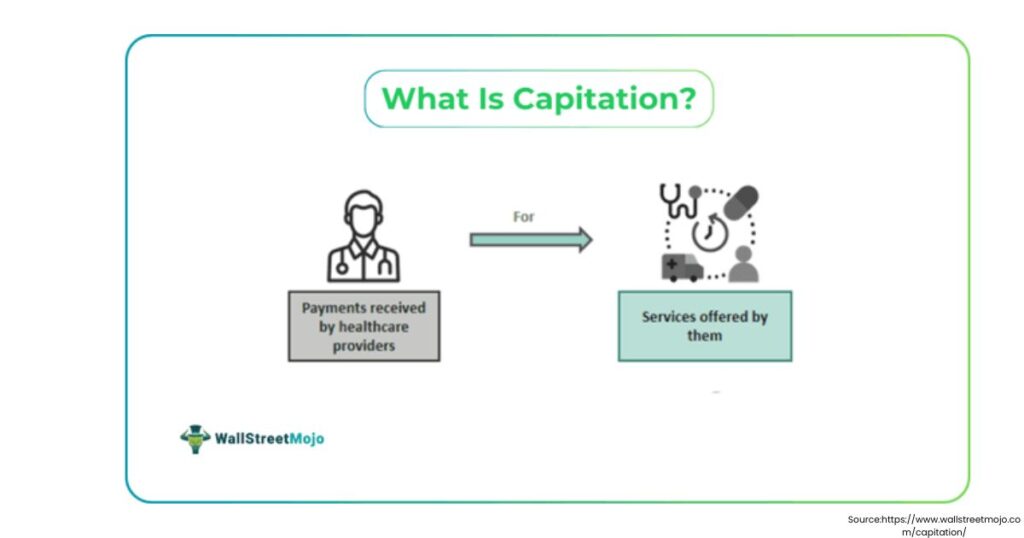
What is capitation payment in medical billing starts with a simple idea: payers like insurers pay providers a set fee per patient upfront, usually monthly (PMPM), to handle all or specific care needs. Unlike fee-for-service where each visit bills separately, rewards efficiency and health maintenance over more procedures.
In practice, a clinic with 500 patients at ₹500 PMPM gets ₹2.5 lakh monthly, covering check-ups, labs, or minor treatments regardless of visits.
How Capitation Payment in Medical Billing Works
Capitation payment in medical billing flows as fixed monthly sums based on patient count, risk factors like age or conditions, and negotiated rates. Providers manage care within this budget; extras come from their pocket, pushing preventive steps like screenings.
Rates factor demographics, past usage, and location – higher in cities like Mumbai for complex cases. Payments hit accounts regularly, simplifying cash flow but demanding tight tracking.
Given below are the following types of capitation payment:
- Primary: For routine doctor services
- Specialty: For experts like cardiologists
- Global: All care including hospitals
What is Capitation Fee in Medical Billing?
Capitation fee in medical billing refers to that fixed per-patient rate, often called PMPM, set by contract between payer and provider. It covers agreed services like consultations, basic labs, injections, or counselling – no extras billed separately. The fees vary by state due to local costs; in India, private plans set ₹300-₹1000 PMPM for primary care.
Capitation Scenario in Medical Billing: Examples
A capitation scenario in medical billing might see a GP with 200 diabetic patients at ₹600 PMPM earning ₹1.2 lakh monthly. Low-visit healthy folks profit the practice; high-need cases like emergencies strain budgets unless prevented early.
Another capitation scenario in medical billing: Clinic A saves by group screenings, under budget; Clinic B overspends on tests, faces losses.
Common capitation scenario in medical billing pointers:
- Healthy panel: Steady profits
- Sick patients spike: Risk losses
- Preventive push: Balances costs
Capitation Denial in Medical Billing Explained
Capitation denial in medical billing happens when claims submit for capitated services, payer rejects as “already covered by capitation,” no extra pay due. It flags billing errors like forgetting contract terms or wrong patient plans. Steps to handle capitation denial in medical billing:
- Check EOB for “capitation applied”
- Verify provider-payer contract scope
- Update eligibility, avoid resubmit
- Track payments separately
Pros and Cons of Capitation in Medical Billing
Capitation in medical billing brings a mix of benefits and challenges that providers must weigh carefully before signing contracts, as it fundamentally changes how practices manage cash flow, patient care, and daily operations compared to traditional fee-for-service models that bill per visit or procedure.
On the positive side, it delivers steady monthly income regardless of patient turnout, freeing clinics from the endless cycle of claim submissions, follow-ups, and payment delays that plague many Indian practices dealing with slow insurance payouts. This predictability allows better financial planning, from salary payments to equipment buys, especially for small setups in Tier-2 cities where cash crunches hit hard during lean months.
Yet it also places the full financial risk of unexpected high-cost cases squarely on providers, such as when a routine patient suddenly needs hospital admission or specialist referrals that eat deep into the fixed budget without extra reimbursement.
Pros of capitation payment in medical billing:
- Predictable revenue stream arrives monthly, smoothing out seasonal dips in patient visits common in rural or monsoon-affected areas.
- Strong push towards preventive care like regular screenings and health camps, which keeps populations healthier and cuts long-term expenses for everyone involved.
- Less administrative burden since fewer claims mean reduced staff time on coding errors or appeals, allowing focus on actual patient interactions.
- Potential for higher profits if patient panels stay mostly healthy, as low-utilisation months leave surplus funds for growth or bonuses.
Cons of capitation in medical billing:
- Financial losses mount quickly from high-need patients, like chronic diabetics with complications, where costs exceed the fixed per-patient rate month after month.
- Risk of under-treatment temptations to protect budgets, raising ethical concerns and potential legal issues if care quality slips below standards.
- Difficult upfront negotiations for fair rates, especially for new providers facing big insurers who lowball fees based on historical data.
- Need for advanced tracking systems to monitor utilisation against budgets, adding tech costs that small clinics struggle to afford.
On A Final Note…
Capitation payment in medical billing shifts care to value over volume, with bringing stability amid risks like capitation denial in medical billing. From what is capitation fee in medical billing to real capitation scenario in medical billing, it fits efficient practices.
If you want to build a career in medical billing and coding, understanding concepts like capitation is essential. You can explore professional training options such as LLRI’s Medical Coding program to gain practical industry knowledge.
FAQ
What is capitation in medical billing?
Fixed per-patient monthly payment for covered services, regardless of usage.
How does capitation payment in medical billing calculate?
PMPM rate times enrolled patients, adjusted for risk/demographics.
What causes capitation denial in medical billing?
Billing capitated services separately; payer denies as prepaid.
Example of capitation scenario in medical billing?
GP gets ₹1.2 lakh for 200 patients; profits from prevention, risks emergencies.
What is capitation fee in medical billing?
Agreed fixed rate per patient/month for routine care like check-ups, labs.
Is capitation in medical billing common in India?
Growing in private insurance, Medicare-like plans; suits panels with low-risk patients
