

Scaling techniques in research methodology help assign numbers or labels to opinions, attitudes, or behaviours in a structured way, making abstract ideas measurable for analysis. They form the backbone of surveys and questionnaires, turning vague responses into clear data patterns that researchers can study and compare across groups.
In universities, students often use these for theses on consumer behaviour or employee satisfaction, where precise measurement leads to reliable findings.
As one research guide notes, “Scaling techniques place respondents on a continuum of gradual change using pre-assigned values.”
Objectives of Research in Research Methodology
Objectives of research in research methodology set the direction for any study, guiding what questions to ask, how to gather data, and why the work matters in real terms. Common objectives of research in research methodology include exploring new ideas, describing patterns in data, testing links between variables, or predicting future trends based on evidence.
These objectives of research in research methodology help focus efforts – for example, a market study in India might aim to describe buying habits, while a health survey tests if stress links to productivity.
Main objectives of research in research methodology:
- Gain new insights into unfamiliar topics
- Accurately describe groups or situations
- Check frequency of events or associations
- Test cause-effect relationships
Measurement and Scaling Techniques in Research Methodology
Measurement and scaling techniques turn qualities like “satisfaction” into numbers or ranks that allow statistical tests and comparisons. They rely on rules to place responses on scales, ensuring data fits analysis needs, whether for simple counts or complex models.
Measurement and scaling techniques start with four primary scales: nominal (categories like gender), ordinal (ranks like “good, better”), interval (equal gaps like temperature), and ratio (true zero like income). Beyond these, advanced types of scaling techniques handle attitudes through comparisons or ratings.
Why does this precision matter? They match data to objectives of research in research methodology, avoiding errors in interpretation.
Types of Scaling Techniques
Scaling techniques can be divided into clear categories based on how they measure responses.
- Primary Scales
- Comparative Methods
- Non-Comparative Scales
Types of Scaling Techniques: Primary Scales
Types of scaling techniques fall into primary levels that define how data behaves in analysis.
Nominal scales classify without order, like yes/no or city names, this is useful for grouping in data collection techniques in research methodology such as checklists. Ordinal scales rank items, e.g., “poor to excellent” service, but gaps between ranks are unequal.
Interval scales have equal intervals, like 1-10 ratings where differences matter but no true zero exists. Ratio scales add a true zero, allowing ratios, such as sales figures or age.
Types of Scaling Techniques: Comparative Methods
Among types of scaling techniques, comparative ones ask respondents to judge one item against others, revealing relative preferences.
Common comparative types of scaling techniques:
- Paired comparison: Pick better of two options, e.g., Coke vs Pepsi
- Rank order: Sort five brands from best to worst
- Constant sum: Allocate 100 points across priorities
- Q-sort: Rank cards into piles like “most to least agree”
These shine in early data collection techniques in research methodology for market studies.
Types of Scaling Techniques: Non-Comparative Scales
Non-comparative types of scaling techniques let respondents rate items independently, often for attitudes. Popular ones include:
- Continuous rating: Mark on a line from “dislike” to “like”
- Likert scale: Agree-disagree on statements (e.g., 1-5 strongly agree to disagree)
- Semantic differential: Bipolar adjectives like “good-bad” or “fast-slow”
- Stapel scale: +5 to -5 on traits like “reliable”
Likert remains a favourite in student surveys for its simplicity.
Role of Data Collection Techniques in Research Methodology
Such techniques in research methodology pair with data collection techniques in research methodology like surveys, interviews, or observations to capture quality data. For instance, questionnaires use Likert for opinions, while observations apply ratio for counts.
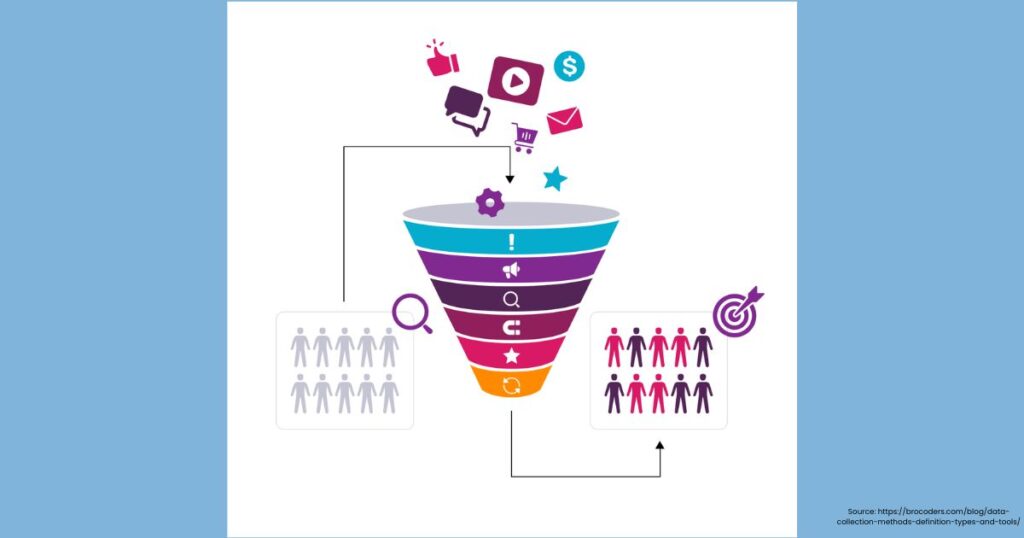
Data collection techniques in research methodology benefit from strong scaling: structured interviews use ordinal ranks; online polls apply interval sliders. Choose based on objectives of research in research methodology – exploratory needs semantic differential, confirmatory prefers ratio.
- Surveys: Likert or semantic
- Interviews: Open then scale
- Experiments: Ratio for precision
Choosing right data collection techniques in research methodology
Pick the right scaling techniques by study goals, audience, and analysis plans. Here are some factors and tips for picking scaling techniques in research methodology:
- Study goals: Use nominal for categories (e.g., gender), ratio for precise measures (e.g., income), or Likert for attitudes.
- Audience needs: Keep options simple for elders or non-English speakers; add visuals for clarity in rural surveys.
- Analysis plans: Ordinal/interval suit basic stats like averages; ratio enables advanced tests like regression.
- Advantages: Reliable data flows into easy stats, cuts errors, and matches objectives of research in research methodology.
- To avoid: Poor wording skews results; too many points tire respondents; skip testing and miss biases.
On A Final Note…
Scaling techniques make studies actionable, linking objectives of research in research methodology to solid data via measurement and such techniques.
What are scaling techniques in research methodology?
Methods to assign numbers/labels to attitudes or traits systematically for analysis.
What are measurement and scaling techniques in research methodology?
Tools turning qualities into quantifiable data via scales like nominal to ratio.
What are main types of scaling techniques?
Primary (nominal, ordinal, interval, ratio); comparative (paired, rank); non-comparative (Likert, semantic).
What are objectives of research in research methodology?
Explore, describe, test links, predict, like guiding data needs and scales.
How do data collection techniques in research methodology use scaling?
Surveys apply Likert, interviews ordinal ranks, for precise, analysable responses.
