
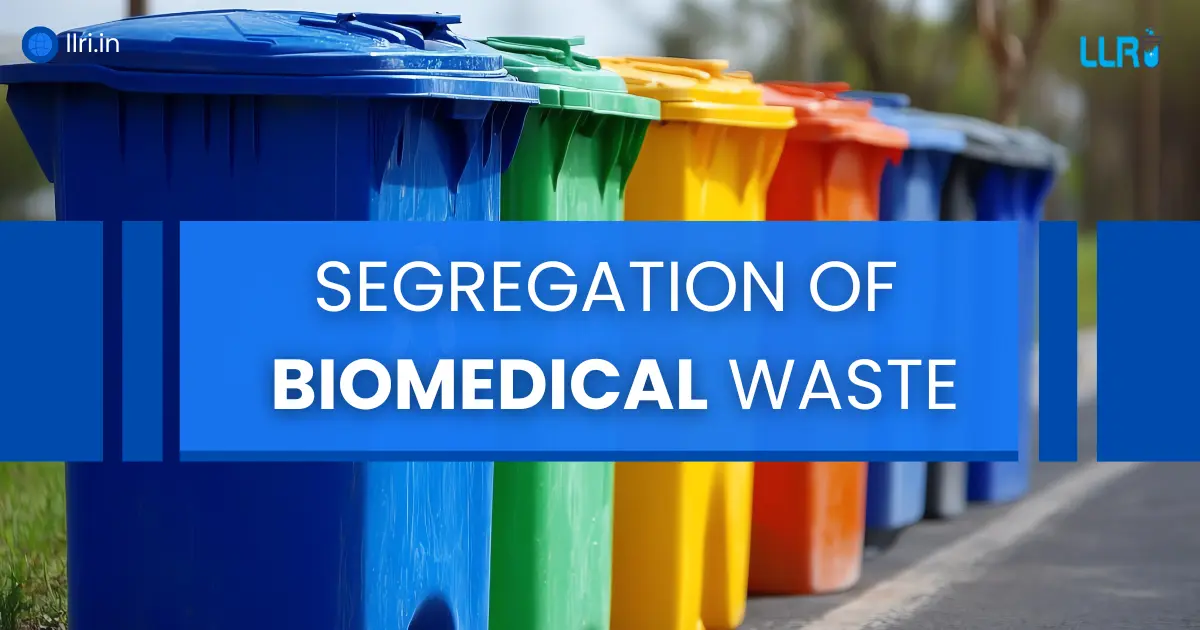
Segregation of Biomedical Waste: Every day, hospitals, clinics, labs, and even homes generate medical waste. But have you ever asked yourself, what happens to used syringes, blood-stained cotton, expired medicines, or lab samples? The answer lies in one vital process: segregation of biomedical waste.
Without proper segregation, dangerous materials can mix with general waste and create serious health risks. This is why students, healthcare workers, and even the public must understand the basics clearly.
Before we move ahead, one important question to ask is: what is biomedical waste management, and why does it matter so much in everyday life?
“Correct waste segregation at the source can reduce health risks by more than 70%.” Based on national public health safety reports
What Is Biomedical Waste Management?
To understand this, we must first answer a basic question: what is biomedical waste management?
What is biomedical waste management means the proper collection, separation, storage, transport, and safe disposal of waste generated from medical activities. This includes waste from hospitals, diagnostic centres, veterinary clinics, blood banks, research labs, and even vaccination camps.
When people ask what is biomedical waste management, the simplest answer is this: it is a system that protects doctors, patients, waste handlers, students, and the public from infections and pollution. Again, what is biomedical waste management is not only about disposal. It starts with correct segregation at the place where waste is produced.
Why Segregation of Biomedical Waste Is So Important
Here is the simple truth:
- It prevents the spread of diseases
- It protects sanitation workers
- It reduces environmental damage
- It supports legal compliance
- It saves treatment costs
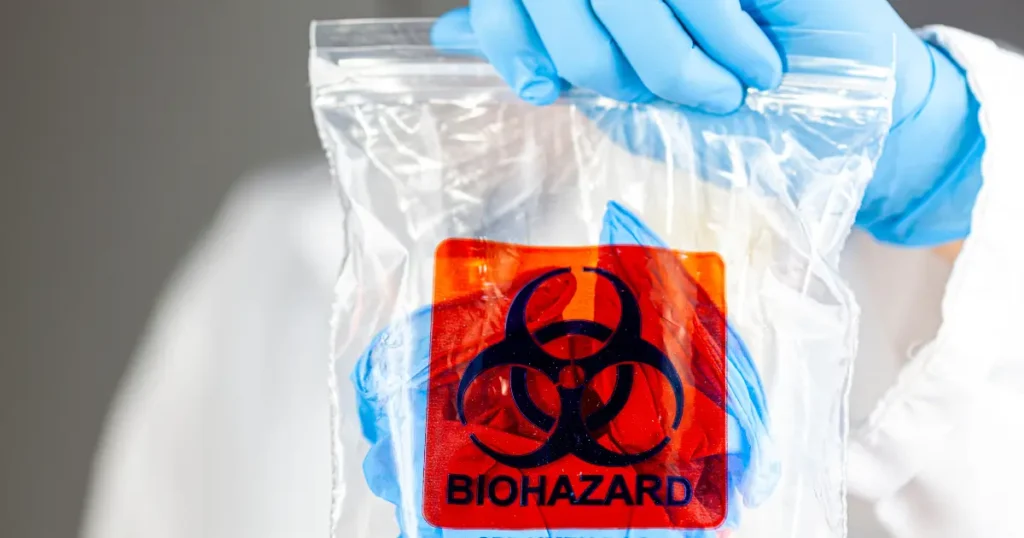
When segregation of biomedical waste is ignored, used needles may mix with household garbage. This can lead to needle-stick injuries, infections like hepatitis and HIV, and long-term health problems.
Types of Biomedical Waste Management
To understand correct separation, we must know the types of biomedical waste management.
The types of biomedical waste management are based on how different waste categories are handled safely. These categories help decide how waste is segregated, treated, and disposed of.
The major types of biomedical waste management include:
- Infectious waste (blood-soaked material)
- Sharps waste (needles, blades)
- Pharmaceutical waste (expired medicines)
- Chemical waste
- Microbiological waste
- General non-hazardous medical waste
Once more, the types of biomedical waste management exist to avoid dangerous mixing of waste.
Biomedical Waste Management Chart: Understanding Colour Codes
The biomedical waste management chart plays a major role in correct segregation.
A standard biomedical waste management chart uses colour-coded bins to separate waste at the source. This chart is displayed in hospitals, labs, and teaching institutes.
Here is a simple explanation based on the biomedical waste management chart:
- Yellow bin – Human waste, blood-soaked items, expired medicines
- Red bin – Tubes, catheters, gloves
- White bin – Needles, blades, sharps
- Blue bin – Glassware, broken vials
Students are trained using the biomedical waste management chart to avoid confusion during practical sessions. Without the biomedical waste management chart, safe segregation becomes very difficult.

Biomedical Waste Management Steps: From Source to Disposal
Let us now understand the biomedical waste management steps. The main biomedical waste management steps include:
- Waste generation at hospital or lab
- Immediate segregation into colour bins
- Safe storage at collection point
- Transport to treatment facility
- Final treatment like incineration or shredding
- Safe disposal
These biomedical waste management steps are followed strictly to avoid infection spread. If any one of the biomedical waste management steps fails, the entire safety chain breaks.
How Segregation of Biomedical Waste Works
Let’s see how this works. Shall we? A nurse gives an injection:
- The used needle goes into the white sharps container
- The cotton with blood goes into the yellow bin
- The plastic syringe body goes into the red bin
This simple act of segregation of biomedical waste protects:
- The nurse
- The patient
- The cleaning staff
- The environment
This is why segregation of these biomedical waste items are taught from the very first year in healthcare courses.
Read More: 5 Medicinal Plants and Their Uses: Ancient Indian Secrets
What Happens When Segregation Is Not Followed?
When segregation of biomedical waste is not done properly:
- Infections spread faster
- Waste pickers get injured
- Soil and water get polluted
- Hospitals face legal penalties
Even the most advanced types of biomedical waste management and expensive machines cannot help if the first step, segregation of biomedical waste, fails.
Legal Importance of Biomedical Waste Management
In India, hospitals and labs must legally follow safe segregation. Failing to follow rules can lead to:
- Heavy fines
- Cancellation of licences
- Legal action
- Damage to hospital reputation
This is another reason why what is biomedical waste management is not only an academic topic but also a social responsibility.

Key Points to Remember
- Follow the biomedical waste management chart
- Understand the types of biomedical waste management
- Never skip the biomedical waste management steps
- Learn clearly what is biomedical waste management
On A Final Note…
To sum it up in simple words, segregation of biomedical waste is the backbone of hospital safety. No matter how advanced the machines are, without correct segregation of biomedical waste, the entire waste system fails.
Students, healthcare workers, and even the public must understand what is biomedical waste management, the types of biomedical waste management, the biomedical waste management chart, and the full biomedical waste management steps.
The future of safe healthcare depends on how responsibly we handle waste today.
FAQs
What is segregation of biomedical waste?
Segregation of biomedical waste means separating medical waste into different colour-coded bins at the place where it is generated to avoid infection and pollution.
What is biomedical waste management?
What is biomedical waste management refers to the safe system of collecting, separating, treating, and disposing of medical waste to protect health and the environment.
What are the types of biomedical waste management?
The types of biomedical waste management include handling of infectious waste, sharps, chemical waste, pharmaceutical waste, and general medical waste.
What is a biomedical waste management chart?
A biomedical waste management chart shows colour-coded bins used for different waste types to guide proper segregation in hospitals and labs.
What are the biomedical waste management steps?
The biomedical waste management steps include waste generation, segregation, collection, storage, transport, treatment, and final disposal.
